Girl Child Protection Scheme Tamil Nadu: ₹50,000 Deposit, Eligibility and How to Apply
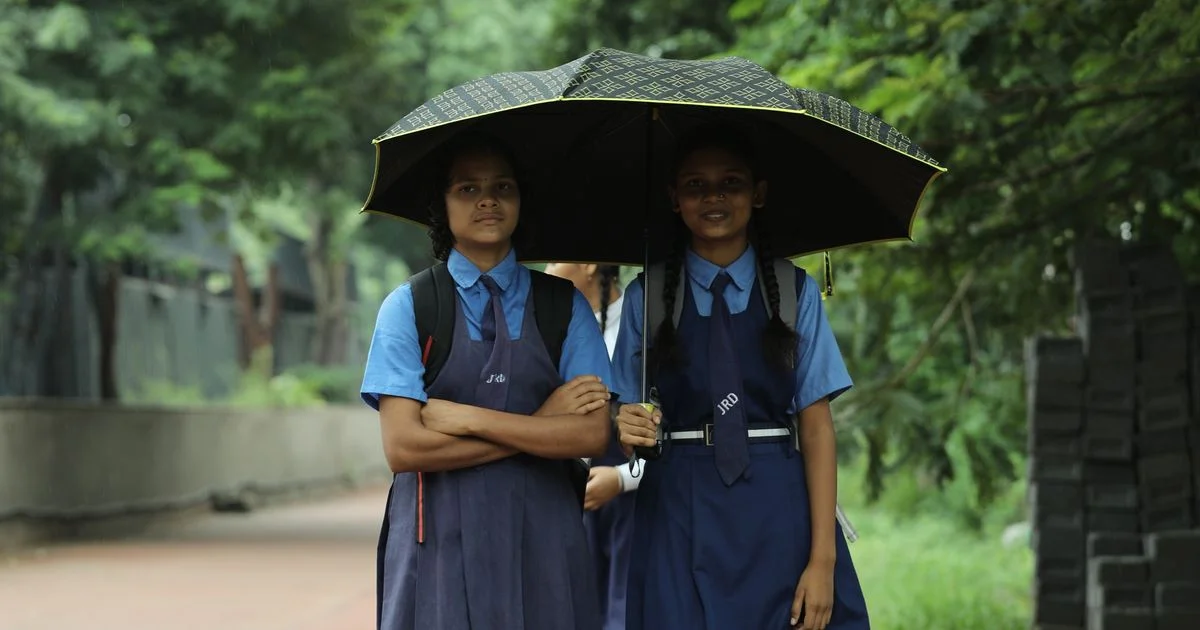
Raising a daughter comes with a long list of future costs, from school fees to higher education. The Chief Minister's Girl Child Protection Scheme was created to give low-income families in Tamil Nadu some support for those years. Instead of giving cash to spend today, the government places a fixed deposit in the girl's name, and she can claim it when she turns 18 after meeting the conditions.
The scheme began in 1992 and is still among the best-known girl child schemes in the state. It is also one of the most misquoted. Different income limits and amounts circulate on WhatsApp and YouTube, so this guide sets out the details published by government district offices.
How much money does the scheme give?
The deposit depends on how many girl children the family has.
- One girl child only: ₹50,000 is deposited in her name. District and scheme guides apply this to a girl born on or after 01.08.2011.
- Two girl children only: ₹25,000 is deposited for each girl, so ₹50,000 in total for the family.
Published guides also mention an annual education incentive of ₹1,800, paid from the sixth year after the deposit. Ask your District Social Welfare Office how this currently works for your child.
The deposit is not the final amount. It grows with interest and is paid after the girl turns 18, once she meets the conditions, including appearing for the Class 10 public exam.
Who is eligible?
Your family should meet all of these conditions:
- Annual family income of not more than ₹72,000. District administration pages give this figure, which applies from 14.10.2014.
- One or two girl children only, with no male child.
- One parent must have undergone sterilisation before the age of 40.
- The parent or family should have lived in Tamil Nadu for the required period. Published guides mention 10 years.
- The application must be made within the time limit for the child's age. Published guides mention applying before the girl turns three, and for two daughters, before the younger child turns three.
If your income certificate shows slightly more than ₹72,000, or you are unsure about the age limit, ask the office before spending time collecting certificates.
Documents you need
- Income certificate
- Nativity certificate
- No male child certificate
- Birth certificates of the girl children
- Sterilisation certificate
- Ration card
- Age certificate or TC of the father and mother
- Community certificate
Check that names and dates match across all your documents. A spelling difference between the birth certificate and the ration card is a common reason for repeated visits.
How to apply
- Collect the originals and one set of copies of all the documents.
- Go to your nearest e-Sevai centre and submit the application there.
- Submit a copy to the District Social Welfare Officer (DSWO) and have your originals checked, if the office asks you to.
- Keep your acknowledgement and application number safely. You will need them to follow up.
What happens after you apply?
Your application is checked by the Social Welfare Department. After approval, the deposit is made in the child's name. Keep the deposit receipt with your important family papers, because you will need it when your daughter turns 18. If you move to another district or lose the receipt, contact the District Social Welfare Office.
Common questions
Can a family with three daughters apply? The scheme is described for one or two girl children. Messages promising ₹75,000 for three daughters do not match the published details.
Is the income limit ₹1,20,000? Government district pages list ₹72,000. Use the income limit given by your District Social Welfare Office when you apply.
Can I apply online from home? District pages direct applicants to e-Sevai centres and the District Social Welfare Office.
What if my daughter is already older than three? Ask the office, but be prepared for the time limit to apply.
Official links
- Chennai district: Girl Child Protection Scheme details
- Chengalpattu district: Social Welfare schemes
- TN e-Sevai portal
Last checked: 3 November 2026.