Vetri Veedu Thittam 2026: Who Gets the ₹5 Lakh House and How Selection Works
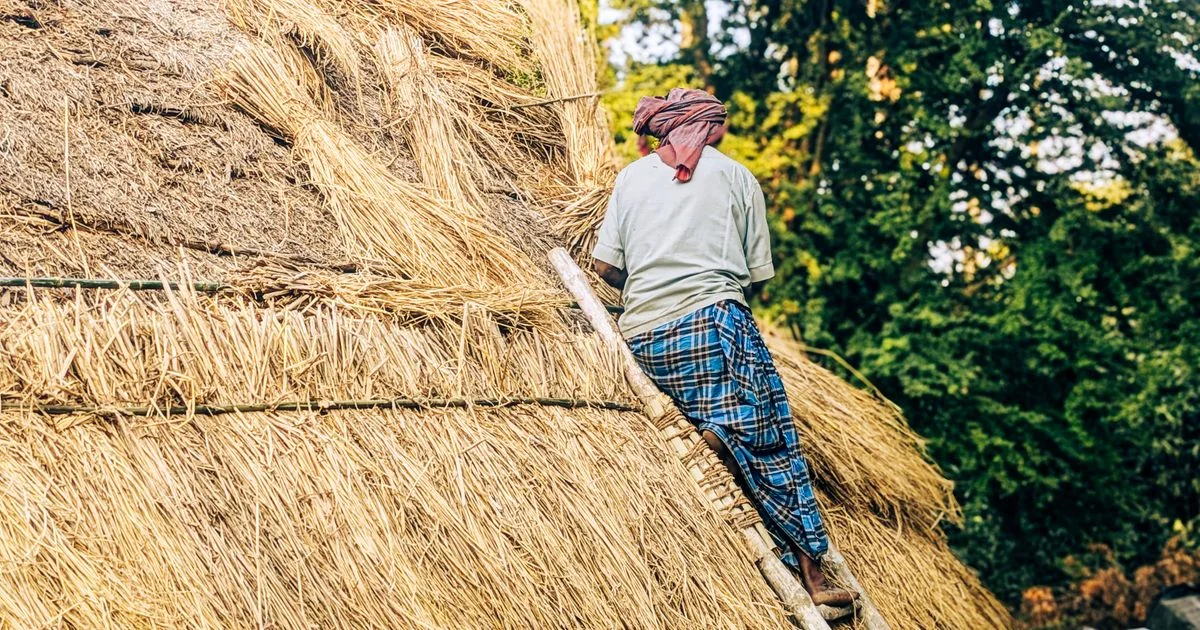
A leaking roof in the monsoon, a hut that needs repairs every year, and no way to save enough for a concrete house. That is the problem Vetri Veedu Thittam aims to solve. Announced in the Tamil Nadu Budget on 5 August 2026, this housing scheme gives ₹5 lakh per house to help hut-dwelling families move to permanent homes.
The amount is higher than the earlier ₹3.10 lakh, which is why so many families are looking for the application form. The key point is that families are expected to be identified through a door-to-door survey, so this scheme works differently from many others.
Scheme details at a glance
- Assistance per house: ₹5 lakh
- Earlier amount: ₹3.10 lakh
- Houses in the first year: 70,000
- Estimated cost: ₹3,500 crore
- Who it is for: families living in huts in rural areas
- Department: Rural Development Department
- How beneficiaries are found: door-to-door survey
Who can get a house?
The scheme is meant exclusively for hut-dwelling families. Reports on the scheme's policy note also mention that 40% of houses in each district are set aside for Scheduled Caste and Scheduled Tribe households, and 5% of each district's allocation for persons with disabilities.
Your family has the best chance if you actually live in a hut or kutcha house in a village, and your household details are correct in local records. Final rules on land ownership, income and earlier housing benefits should be confirmed with your local office, since these conditions decide many cases under housing schemes.
How the door-to-door survey works
Rural Development officials are to visit households to identify eligible families. It helps to be prepared:
- Ask your Panchayat Secretary or Block Development Office when the survey will happen in your village.
- Tell them if your family has moved or if your house details have changed.
- Try to make sure an adult family member is at home when the team visits.
- Show your house as it is. Do not rebuild or change the structure just before the survey without asking the office, since the current condition of your house may matter.
Documents to keep ready
The government's final list may differ, but these documents are commonly needed for housing schemes:
- Aadhaar cards of family members
- Ration card
- Voter ID
- Proof of house site, such as patta, if you have it
- Bank passbook
- Community certificate, if applicable
- Disability certificate, if applicable
- Recent photos of your present house
Having them in a single folder will save you time if officials ask for them at short notice.
How does ₹5 lakh reach the family?
Housing schemes usually release money in stages as construction progresses, rather than paying it all at once. Ask your Block Development Office how payment and house design will work once you are selected, and plan your construction accordingly. Reports also mention linked support such as toilets through Swachh Bharat Mission, and electricity, tap water and gas connections.
How is this different from Kalaignar Kanavu Illam?
Earlier housing support in Tamil Nadu ran under Kalaignarin Kanavu Illam with a unit cost of ₹3.10 lakh. Vetri Veedu Thittam raises this to ₹5 lakh. If your family applied or was surveyed under the earlier scheme, ask the Block Development Office whether you need to do anything again.
Common questions
Is there an online form for Vetri Veedu Thittam? Beneficiaries are expected to be identified through the survey. Be careful of websites asking you to pay and apply.
Will all hut-dwelling families get a house in the first year? The first-year target is 70,000 houses, so selection will be limited.
Can someone add my name for a fee? Do not pay anyone for this. Report such demands to your Block Development Office.
Official links and sources
- Tamil Nadu Rural Development Department
- DT Next: Budget announcement report
- DT Next: Vetri Veedu explainer
Last checked: 3 November 2026.